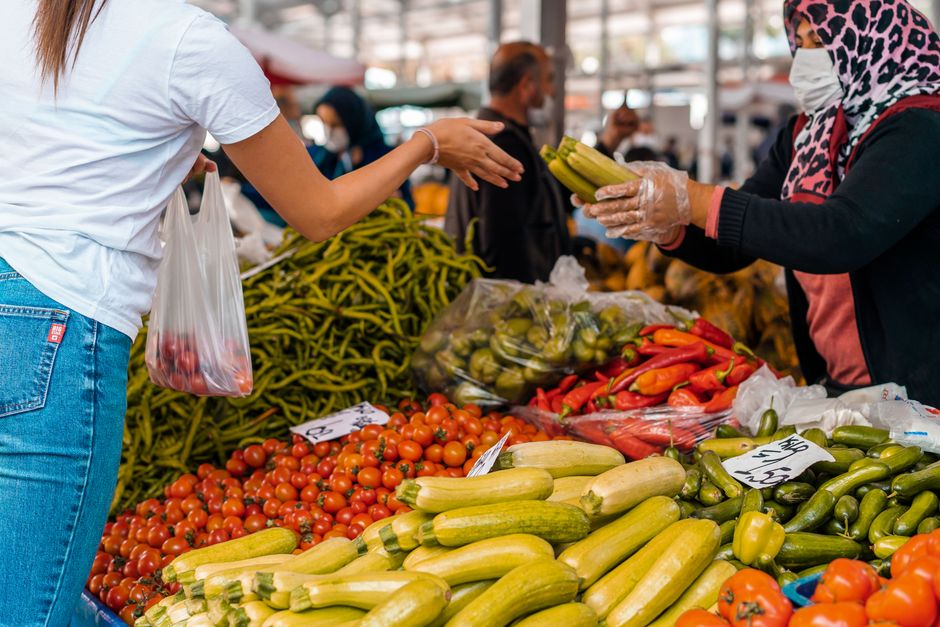
In today's fast-paced world, maintaining a healthy diet can often seem like an insurmountable challenge, especially when you're working within a budget. For many Nigerians, the idea of eating healthy is synonymous with expensive imported products, intricate meal plans, and inaccessible diets. However, the reality is that with a bit of knowledge and creativity, healthy eating can be both affordable and sustainable in Nigeria. Let's explore how you can start eating healthy without breaking the bank.
Eating healthy does not mean you need to completely overhaul your diet overnight or spend exorbitantly on imported foods. In fact, Nigeria is blessed with a rich variety of local produce that is both nutritious and budget-friendly. By utilizing local markets and seasonal produce, you can significantly reduce your grocery bill while still enjoying a balanced diet.
Whether you're a student, a working professional, or a homemaker, these practical tips will help you embark on a healthier lifestyle while keeping your budget intact. Let's dive into some strategies and choices that can transform your eating habits for the better.
Understanding the Basics of a Healthy Diet
Key Nutritional Components
To start eating healthy, it's essential to understand the key components of a balanced diet. A typical healthy diet should include:
- Carbohydrates: These are the body's primary source of energy. Opt for whole grains like brown rice, millet, and sorghum.
- Proteins: Necessary for tissue repair and muscle growth. Choose lean meats, fish, eggs, and legumes like beans and lentils.
- Fats: Essential for brain health and energy. Include healthy fats such as avocado, groundnut oil, and palm oil in moderation.
- Vitamins and Minerals: Crucial for immune function and overall health. Consume a variety of fruits and vegetables for a broad range of nutrients.
- Water: Vital for hydration and metabolic processes. Aim to drink sufficient water throughout the day.
Portion Control
Controlling portion sizes is a practical way to maintain a healthy diet without overspending. Here are some tips:
- Use smaller plates to control portion sizes naturally.
- Fill half of your plate with vegetables, a quarter with proteins, and the remaining quarter with carbohydrates.
- Listen to your body's hunger cues and avoid eating out of boredom or stress.
"Small adjustments in portion sizes can make a big difference in both your health and your budget."
Smart Grocery Shopping Tips
Shop Local and Seasonal
One of the best ways to eat healthy on a budget is to focus on local and seasonal produce. Here’s why:
- Cost-Effective: Seasonal produce is often cheaper due to abundance.
- Freshness: Local produce is fresher and more nutritious as it doesn’t require extensive transportation.
- Support Local Farmers: Buying local supports the community and boosts the local economy.
Visit local markets in Nigeria, like the Balogun Market in Lagos or the Bodija Market in Ibadan, where you can find fresh fruits, vegetables, and grains at competitive prices.
Plan Your Meals
Meal planning is a crucial step towards eating healthy without overspending. Consider the following tips:
- Create a weekly meal plan and shopping list to avoid impulse buys.
- Focus on recipes that use similar ingredients to reduce waste.
- Embrace batch cooking to save time and money; freeze leftovers for future meals.
"Planning your meals not only saves money but also ensures you have nutritious options readily available."
Healthy Cooking Techniques
Embrace Simple Cooking Methods
Healthy cooking doesn't need to be complex. Here are some techniques that preserve nutrients:
- Steaming: Retains nutrients better than boiling.
- Grilling and Roasting: Enhances flavors without excessive oil.
- Stir-frying: Quick and uses minimal oil.
Limit Processed Foods
Processed foods often contain excess salt, sugar, and unhealthy fats. Instead, try these alternatives:
- Make homemade sauces and dressings to control ingredients.
- Snack on nuts and fruits instead of packaged snacks.
- Prepare homemade soups instead of canned ones.
"Cooking at home gives you complete control over the ingredients and the cooking process, making it easier to stay healthy."
Incorporating Exercise into Your Routine
Find Activities You Enjoy
Exercise complements a healthy diet, aiding in weight management and overall wellness. Consider these enjoyable activities:
- Take brisk walks in your neighborhood or local parks like the Jabi Lake Park in Abuja.
- Join a local sports team for football, basketball, or volleyball.
- Attend dance classes for fun and fitness.
Consistency is Key
Consistency trumps intensity when it comes to exercise. Here’s how to stay consistent:
- Set a realistic schedule that fits your lifestyle.
- Start with manageable goals and gradually increase intensity.
- Incorporate physical activity into daily routines, like taking stairs instead of elevators.
"Regular physical activity is just as important as a balanced diet in maintaining a healthy lifestyle."
Final Thoughts
Eating healthy on a budget in Nigeria is entirely possible with the right approach. By understanding nutrition basics, planning meals, shopping smartly, cooking at home, and incorporating exercise, you can achieve a balanced and sustainable lifestyle. Remember, the journey to health is a marathon, not a sprint. Small, consistent changes can lead to significant improvements in your well-being.


