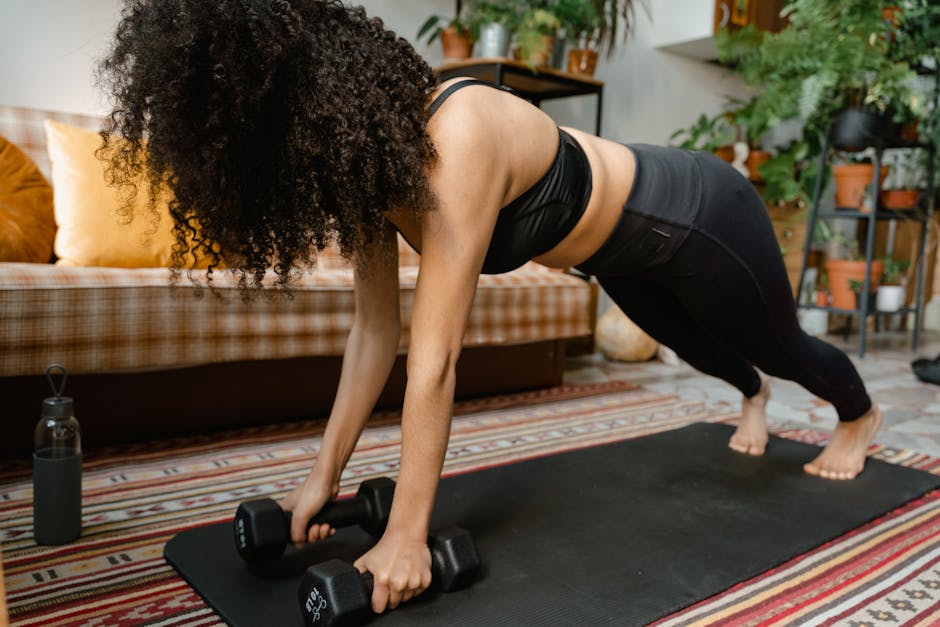
When I first embarked on my fitness journey, I was full of enthusiasm and vigor. I had my eyes set on transforming my body in record time. However, looking back now, I realize that my approach was more about speed than sustainability. If I could turn back time, there are several things I would do differently to create a fitness routine that truly aligns with my lifestyle. Let me share these insights with you.
The primary keyword, "fitness routine," is crucial not just to this article but also to anyone serious about long-term wellness. It's not merely about hitting the gym for a few weeks, it's about integrating fitness into your life seamlessly.
Setting Realistic Goals
The Mistake of Overambition
Initially, my goal was to lose 20 kilograms in three months. I thought the more ambitious the goal, the better. But this led to burnout and frustration. Instead, I should have set smaller, achievable milestones.
- Set both short-term and long-term goals.
- Break larger goals into manageable tasks.
- Celebrate small victories to stay motivated.
Tailoring Goals to My Lifestyle
Living in Lagos, with its bustling lifestyle and hectic traffic, means time is often limited. Instead of aiming to work out every day, a more practical plan would have been three structured sessions per week.
Key takeaway: Your fitness goals should complement your current lifestyle, not complicate it.
Choosing the Right Exercises
Understanding My Preferences
Early on, I signed up for a high-intensity interval training (HIIT) class without considering if it was something I would enjoy. This led to boredom and eventual dropout. I would recommend sampling various classes or workouts to see what you actually like.
- Experiment with different workout styles: yoga, pilates, running, etc.
- Consider joining local groups or clubs for social support.
- Make it a point to enjoy the process, not just the outcome.
Incorporating Variety
A monotonous routine is a quick path to giving up. I learned the importance of keeping things fresh and exciting. Mixing cardio with strength training and flexibility exercises keeps workouts balanced and engaging.
Nutritional Adjustments
Ignoring the Power of Diet
Like many, I focused solely on exercise, thinking I could outwork a bad diet. What I'd do differently is to place equal importance on nutrition. A balanced diet is essential for fueling workouts and recovery.
- Include more fruits and vegetables in meals.
- Opt for whole grains over processed foods.
- Stay hydrated; water is your best friend.
Embracing Nigerian Cuisine
Nigerian meals like jollof rice, egusi soup, and moi moi can be part of a healthy diet when prepared mindfully. Understanding portion control and choosing healthier cooking methods make a difference.
Tip: Substitute frying with grilling or steaming for healthier meal options.
Monitoring Progress Effectively
The Scale Isn't Everything
Initially, I was obsessed with the scale, which can be misleading. Instead, I should have measured success through how I felt, my energy levels, and how my clothes fit.
Journaling for Accountability
Keeping a fitness journal helps track progress and stay motivated. Journaling workouts, meals, and even mood changes could have provided valuable insights into what works and what doesn't.
- Regularly record workouts and dietary habits.
- Set weekly reflections to stay on course.
- Use apps or digital tools for convenience.
Final Thoughts
If I could offer one piece of advice for anyone looking to build a fitness routine, it would be to focus on sustainability over speed. Fitness is a marathon, not a sprint. By integrating these lessons, you can create a routine that's both effective and enjoyable.
Remember, it's never too late to start or to adjust your approach. Use the insights from my journey to build a fitness routine that truly works for you.